Learning Outcomes
i. Identify the structural adaptations present in wind-pollinated and insect-pollinated flowers.
ii. Understand how these adaptations contribute to pollination efficiency and reproductive success.
iii. Appreciate the evolutionary significance of these adaptations in various flowering plants.
i. Structural Adaptations in Wind-Pollinated Flowers
Flower Structure: Typically, wind-pollinated flowers are less colourful and lack nectar, as they do not need to attract pollinators. They often have long, feathery stigmas to catch the wind-borne pollen and dangling anthers that easily release pollen into the air.
Pollen Grains: The pollen of wind-pollinated flowers is light and small, allowing it to be carried by the wind over potentially long distances.
ii. Structural Adaptations in Insect-Pollinated Flowers
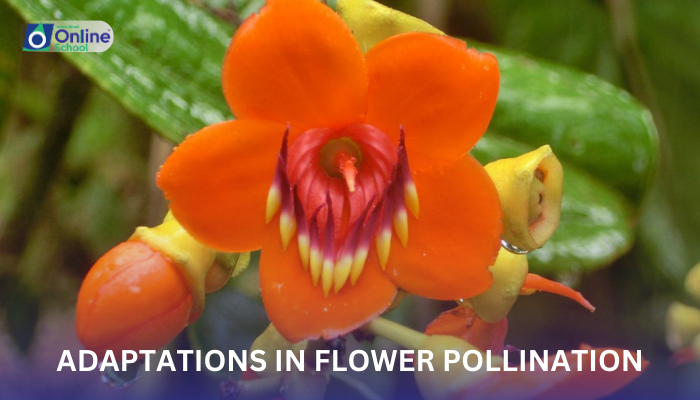
Visual Cues: These flowers often have bright colours and distinctive patterns called nectar guides, which direct insects to the nectar.
Nectar and Fragrance: They produce nectar and strong scents to attract pollinating insects like bees, butterflies, and moths.
Sticky Pollen: Insect-pollinated flowers have pollen that is stickier to adhere to the bodies of insects when they visit the flower.
Reproductive Structures: The stamens and pistils are often positioned in such a way that visiting insects come into contact with them when accessing the nectar, facilitating the transfer of pollen.
iii. Enhancing Reproductive Success
Efficiency of Pollination: Adaptations that enhance the likelihood of pollen reaching another flower of the same species increase the chances of successful fertilization.
Evolutionary Significance: These adaptations have evolved to maximize reproductive success and are a result of co-evolution between flowering plants and their pollinators.
In conclusion, the diverse adaptations of flowers to wind or insect pollination demonstrate the intricate ways in which plants have evolved to ensure the transfer of pollen and reproductive success. Understanding these adaptations highlights the complexity of ecological relationships and the evolutionary pressures that shape them. These insights are crucial for conserving pollinator species and maintaining the ecosystems that depend on them.
